Dr. Abhinav Kesarkar | Orthopedic Surgeon In Nagpur


Spine fusion surgery specialist in Hoshangabad
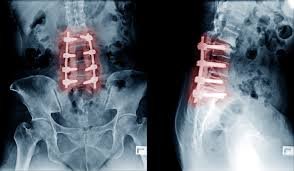
Spine fusion surgery specialist in Hoshangabad – Kesarkar Hospital
If you’re searching for a Spine Fusion Surgery Specialist in Hoshangabad, Dr. Abhinav Kesarkar is a trusted name in advanced orthopedic and spine care. Back pain can limit every aspect of daily life — from walking and working to sleeping comfortably. However, with the right diagnosis and specialized treatment, patients can regain mobility, stability, and overall quality of life.
Moreover, spine fusion surgery is a modern medical procedure designed to stabilize the spine by permanently joining two or more vertebrae. Therefore, it helps correct spinal deformities, reduce pain, and improve posture. When performed by an experienced specialist like Dr. Kesarkar, the procedure offers long-term relief and greater functional strength.
Additionally, Dr. Kesarkar’s use of advanced surgical techniques ensures precision and safety throughout the procedure. Furthermore, his patient-centered approach focuses on early recovery and personalized rehabilitation plans. As a result, many patients experience improved mobility and can confidently return to their daily activities.
Consequently, choosing Dr. Abhinav Kesarkar as your Spine Fusion Surgery Specialist in Hoshangabad means receiving expert care, modern treatment methods, and compassionate support at every stage of the journey.
Understanding Spine Fusion Surgery
Spine fusion surgery is a procedure that involves joining two or more bones of the spine (vertebrae) to prevent movement between them. As a result, by eliminating abnormal motion, the surgery effectively reduces chronic pain and therefore improves spine stability.
Unlike traditional open surgeries, modern spine fusion techniques are often minimally invasive. Consequently, patients experience smaller incisions, less muscle damage, and faster recovery times. Moreover, when performed with precision, spine fusion surgery can significantly enhance posture, improve balance, and increase overall comfort.
In addition, this procedure is especially beneficial for several spinal conditions. These include degenerative disc disease, scoliosis, spinal fractures, spinal stenosis, spondylolisthesis, and chronic back instability. Furthermore, early intervention and proper rehabilitation can help patients regain mobility more effectively and maintain better spinal alignment.
Ultimately, spine fusion surgery provides a long-term solution for individuals struggling with severe back pain and structural instability, offering them a better quality of life.
Common Conditions That Require Spine Fusion Surgery
Not every back problem requires surgery; however, when conservative treatments fail, spine fusion can become essential to correct deformities, stabilize the spine, and relieve persistent pain. Moreover, by joining two or more vertebrae, the procedure can reduce abnormal motion and, consequently, decrease nerve irritation. Therefore, for select patients, fusion offers a reliable path to long-term relief.
Conditions Where Spine Fusion May Help
Degenerative Disc Disease: Discs wear down over time, causing pain and instability; consequently, fusion may restore stability and reduce symptoms.
Scoliosis: An abnormal spinal curvature can worsen; therefore, fusion helps straighten and maintain alignment.
Spondylolisthesis: When one vertebra slips over another and compresses nerves, fusion can, in turn, prevent further slippage and reduce pain.
Spinal Stenosis: Narrowing of the canal puts pressure on nerves; accordingly, fusion (often with decompression) can relieve pressure and support the spine.
Fractures: Traumatic injuries may destabilize the spine; as a result, fusion provides structural support during healing.
Spinal Deformities: Congenital or acquired abnormalities can impair function; thus, fusion helps restore balance and posture.
Because each condition presents unique challenges, **Dr. Abhinav Kesarkar—Spine Fusion Surgery Specialist in Hoshangabad—**performs a thorough evaluation before recommending any procedure. Additionally, he considers age, activity level, imaging findings, and prior treatments to tailor a plan. Ultimately, this careful approach enhances safety, improves outcomes, and furthermore supports a faster return to daily activities.
Symptoms That Indicate You May Need Spine Fusion Surgery
Recognizing early warning signs is crucial because it allows timely medical intervention. Moreover, when these symptoms persist despite non-surgical treatments, spine fusion surgery may become an appropriate and effective solution.
Some of the most common warning signs include:
Chronic back or neck pain that doesn’t improve with medication or rest
Numbness, tingling, or weakness in the arms or legs
Difficulty standing or walking due to instability
Pain that radiates down the legs or arms
Noticeable spinal deformity or curvature
Loss of bladder or bowel control in severe cases
Furthermore, because back pain often has multiple underlying causes, Dr. Kesarkar conducts a thorough and personalized diagnosis to identify the exact problem. As a result, surgery is recommended only when absolutely necessary, ensuring the best possible outcome for each patient.
Diagnosis and Evaluation Before Spine Fusion
Before recommending spine fusion, Dr. Abhinav Kesarkar first performs a comprehensive evaluation to ensure precise treatment planning and better outcomes. Moreover, this careful assessment helps in understanding the exact cause of discomfort and selecting the most effective approach.
The diagnostic process involves several steps, including:
Detailed medical history: To begin with, the doctor carefully reviews the patient’s injury history, pain pattern, and lifestyle factors, ensuring no critical detail is missed.
Physical examination: In addition, he thoroughly assesses spine alignment, muscle strength, and neurological function to identify underlying structural problems.
Imaging tests: Furthermore, advanced imaging such as MRI, CT scans, or X-rays is conducted to obtain a clear and accurate view of the spinal structure.
Nerve studies: Finally, in cases involving nerve compression, EMG or other nerve conduction studies may be performed to evaluate nerve function precisely.
After completing these assessments, Dr. Kesarkar explains all available treatment options. Therefore, patients gain a complete understanding of both surgical and non-surgical alternatives. As a result, they can make informed and confident decisions about their spine care.
Non-Surgical Treatment Options Before Surgery
Before proceeding with spine fusion surgery, Dr. Kesarkar often recommends non-surgical treatments, especially during the early stages of spine problems. First, he may suggest physical therapy, which focuses on strengthening the back muscles and improving overall flexibility. In addition, patients may receive pain medications to reduce both inflammation and discomfort.
Furthermore, epidural steroid injections are often used to control pain more effectively by reducing nerve irritation. Along with these treatments, lifestyle changes such as weight management, posture correction, and ergonomic adjustments can significantly improve spine health over time.
However, if these non-surgical methods fail to provide lasting relief, then spine fusion surgery may become necessary. Ultimately, this procedure aims to restore spinal stability and eliminate chronic pain, allowing patients to return to normal activities with greater confidence and comfort.
About Dr. Abhinav Kesarkar – Spine Fusion Surgery Specialist in Hoshangabad
Dr. Abhinav Kesarkar is a highly skilled orthopedic and spine surgeon with many years of experience in treating complex spinal disorders. Over the course of his career, he has performed numerous spine fusion surgeries with excellent outcomes. Moreover, his expertise lies in combining precise surgical techniques with compassionate patient care, ensuring both safety and comfort for every patient.
Why Patients Trust Dr. Kesarkar:
✅ Extensive experience in spine surgery
✅ Advanced minimally invasive techniques
✅ Patient-centric treatment approach
✅ Personalized rehabilitation programs
✅ Transparent consultation and care
Furthermore, Dr. Kesarkar strongly believes in early diagnosis and timely intervention, which can significantly improve recovery and prevent complications. Therefore, each patient receives a comprehensive evaluation followed by a tailored treatment plan designed to restore spinal stability and improve mobility.
Additionally, as a Spine Fusion Surgery Specialist in Hoshangabad, Dr. Kesarkar brings advanced spine care closer to the community, eliminating the need to travel to distant metropolitan hospitals. As a result, patients can access world-class treatment in a familiar and comfortable environment.
Finally, his empathetic approach and clear communication help patients feel informed, supported, and confident throughout their treatment journey.
Types of Spine Fusion Surgery
There are several surgical techniques used for spine fusion. The choice depends on the location and cause of the spine problem.
Common types of spine fusion procedures include:
Posterior Lumbar Interbody Fusion (PLIF): Fusing vertebrae from the back of the spine.
Anterior Lumbar Interbody Fusion (ALIF): Accessing the spine through the abdomen.
Transforaminal Lumbar Interbody Fusion (TLIF): A minimally invasive option that reduces recovery time.
Cervical Fusion: For issues in the neck region.
Thoracic Fusion: For mid-spine issues like scoliosis or fractures.
Each procedure is planned carefully to minimize discomfort, speed up recovery, and provide long-lasting relief.
How the Spine Fusion Procedure Is Performed
Spine fusion surgery is a specialized procedure that involves removing the damaged disc or bone and fusing two or more vertebrae together using bone grafts, screws, and metal rods. This technique is commonly used to stabilize the spine, relieve pain, and restore mobility.
Steps of the Procedure:
Anesthesia:
Firstly, patients are given general anesthesia to ensure complete comfort and pain control throughout the surgery.Incision:
Next, a small and precise incision is made at the target area to access the affected vertebrae.Stabilization:
Then, the damaged bone or disc is carefully removed. Moreover, bone grafts and implants are strategically placed to stabilize the spine.Fusion:
Over time, the bone graft gradually fuses with the existing spine. As a result, this creates a strong and solid structure that improves stability.Closure:
Finally, the incision is closed, and the recovery process begins under close medical supervision.
Additionally, modern minimally invasive techniques significantly reduce muscle damage and blood loss during the procedure. Consequently, recovery becomes smoother and faster. Therefore, patients can usually walk within just a few days after surgery with the guidance of their medical team. Furthermore, early mobilization helps enhance healing, minimize complications, and promote long-term spinal health.
Recovery After Spine Fusion Surgery
Recovery plays a crucial role in determining the overall success of spine surgery. Therefore, Dr. Abhinav Kesarkar carefully creates a personalized recovery plan for each patient to support faster healing and better long-term results. Moreover, this plan ensures that patients regain strength, mobility, and confidence step by step.
A typical recovery plan includes the following elements:
Early mobilization and gentle physiotherapy, which help improve flexibility and reduce stiffness.
Additionally, pain management with prescribed medications to keep discomfort under control.
Gradual return to daily activities so that the body adapts at a safe pace.
Furthermore, regular follow-ups and X-rays to closely monitor bone fusion progress.
Finally, posture and ergonomics training to protect the spine and prevent future complications.
Because every patient’s condition is unique, recovery time may vary. However, most patients can return to work and light activities within a few weeks. In many cases, complete fusion may take several months. As a result, patients experience improved spinal stability and long-term comfort.
Rehabilitation and Physiotherapy
Physiotherapy is extremely crucial after spine fusion surgery because it plays a key role in strengthening muscles, restoring mobility, and improving spinal support. Moreover, a structured rehabilitation program allows patients to gradually rebuild strength while protecting the operated area. As a result, the recovery process becomes smoother and more effective.
Dr. Kesarkar’s rehabilitation plan focuses on:
Strengthening core and back muscles to provide better spinal stability
Improving flexibility without putting additional stress on the spine
Correcting posture and unhealthy movement patterns over time
Gradually increasing physical activity levels to support long-term healing
Furthermore, this proactive and carefully monitored approach ensures better and longer-lasting outcomes. Additionally, patients who remain consistent with physiotherapy often recover faster, regain mobility sooner, and face fewer complications in the long run. Therefore, committing to a personalized rehabilitation plan is just as important as the surgery itself.
Lifestyle After Spine Fusion Surgery
Spine fusion surgery can dramatically improve a patient’s quality of life. However, maintaining spinal health after surgery is equally important to ensure long-term benefits. Therefore, patients are encouraged to follow healthy habits that support recovery and prevent future complications.
Post-surgery lifestyle tips include:
Maintaining a healthy weight, since this helps reduce stress on the spine and improves overall balance.
Practicing good posture at all times; moreover, proper alignment prevents unnecessary pressure on the fused area.
Avoiding heavy lifting or sudden jerky movements, as these can strain the spine and slow down the healing process.
Staying active with low-impact exercises, which gradually build strength and flexibility without putting excess pressure on the back.
Attending follow-up visits regularly; furthermore, consistent monitoring allows your doctor to detect and address any issues early.
In addition, adopting these habits not only speeds up recovery but also protects the spine in the long run. As a result, patients often experience greater mobility, reduced pain, and improved overall well-being.
Book your appointment with Dr. Kesarkar
Regain your pain-free life and active mobility today. Book your appointment with Dr. Kesarkar, Best Hip Replacement Doctor in Nagpur, for expert consultation and advanced treatment options.Contact Now