Dr. Abhinav Kesarkar | Orthopedic Surgeon In Nagpur


Spinal cord decompression in Chhindwara
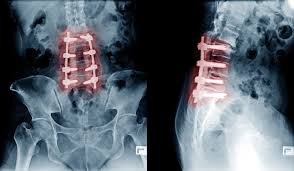
Spinal cord decompression in Chhindwara – Kesarkar Hospital
If you’re experiencing severe back pain, numbness, weakness, or difficulty walking, you may be suffering from spinal nerve compression. Fortunately, Spinal Cord Decompression in Chhindwara is now accessible through the advanced orthopedic and spine care of Dr. Abhinav Kesarkar. He is a trusted orthopedic and spine specialist offering modern, minimally invasive spinal decompression procedures to help patients regain mobility and live pain-free.
The spinal cord is a vital structure that transmits nerve signals from the brain to the rest of the body. When the spinal canal becomes narrowed — a condition known as spinal stenosis — it compresses these nerves, leading to pain, numbness, and other neurological problems. Early diagnosis and timely spinal cord decompression can prevent permanent nerve damage and improve quality of life.
Understanding Spinal Cord Compression
To fully understand spinal cord decompression, it’s essential to first know what spinal cord compression means. The spinal cord, which plays a vital role in controlling movement and sensation, is protected by the spinal column. However, due to factors such as degenerative changes, herniated discs, trauma, or bone spurs, the spinal canal can gradually become narrowed. As a result, this narrowing exerts increasing pressure on the spinal cord and surrounding nerve roots.
Moreover, because the spinal cord regulates movement, sensation, and reflexes, compression often leads to pain, weakness, tingling, and even loss of function. Therefore, addressing this condition early is crucial to maintaining normal mobility and preventing long-term complications. In many cases, timely intervention can significantly improve both comfort and overall quality of life.
Causes of Spinal Cord Compression
Several medical and lifestyle factors can contribute to spinal cord compression. Understanding these causes, therefore, helps patients seek treatment at the right time.
First, age-related degeneration of the spine (spinal stenosis) is one of the most common causes. Additionally, herniated or bulging discs may press on the spinal cord, causing significant discomfort. In many cases, bone spurs can also form due to arthritis or injury, further increasing pressure on the spine. Furthermore, spinal injuries resulting from accidents or falls often lead to sudden compression. In some instances, tumors or abnormal growths near the spine can obstruct the spinal canal. Finally, congenital spinal canal narrowing present from birth may make individuals more vulnerable to compression as they age.
Moreover, poor posture, obesity, and prolonged physical strain can exacerbate existing spinal problems, making early diagnosis and timely treatment even more crucial.
Symptoms That Indicate Spinal Cord Compression
Recognizing symptoms early is crucial because it allows for timely spinal cord decompression. Typically, common symptoms include:
Persistent back or neck pain
Numbness or tingling in the hands, arms, or legs
Muscle weakness, especially in the lower limbs
Difficulty walking or maintaining balance
Loss of bladder or bowel control (particularly in severe cases)
Burning sensations radiating down the limbs
Therefore, if any of these symptoms are present, it is highly recommended to consult Dr. Abhinav Kesarkar for Spinal Cord Decompression in Chhindwara. This way, patients can receive a proper diagnosis and begin effective treatment as early as possible.
How Spinal Cord Compression Is Diagnosed
Dr. Abhinav Kesarkar uses a comprehensive and modern diagnostic approach. He carefully evaluates the patient’s history, symptoms, and physical examination findings. Because spinal conditions can be complex, advanced imaging is therefore essential for accurate assessment.
Diagnosis may include:
MRI scans to view soft tissue and spinal cord compression.
CT scans for detailed bone structure analysis.
X-rays to identify spinal alignment and degeneration.
Nerve conduction tests to assess neurological involvement.
Moreover, these diagnostic tools provide a complete picture of the spinal structure and function. Additionally, they help detect even subtle abnormalities at an early stage. Consequently, the doctor can develop a targeted and personalized treatment plan. As a result, early and precise diagnosis ensures better recovery outcomes and improved patient well-being.
Non-Surgical Treatments Before Spinal Cord Decompression
Not all patients require surgery. In the early stages, non-surgical treatments may often relieve symptoms effectively. For example, these may include physiotherapy and targeted exercises, pain relief medications and anti-inflammatory drugs, epidural steroid injections to reduce inflammation, as well as posture correction and lifestyle modifications.
However, when non-surgical methods fail to provide lasting relief, then spinal cord decompression surgery becomes necessary. In such cases, the goal is to directly address the underlying cause of pressure on the spinal cord. Therefore, surgery can offer patients a more permanent solution and restore mobility more effectively.
About Dr. Abhinav Kesarkar – Spine Specialist in Chhindwara
Dr. Abhinav Kesarkar is a trusted orthopedic and spine specialist known for his patient-centered approach and expertise in Spinal Cord Decompression in Chhindwara. With years of experience in advanced orthopedic and minimally invasive spinal surgeries, he focuses on helping patients regain strength, stability, and mobility. Moreover, he combines medical expertise with compassionate care to ensure better outcomes for every patient.
His clinic in Chhindwara offers advanced diagnostic tools, modern surgical infrastructure, and personalized treatment plans. In addition, he emphasizes thorough patient education so individuals clearly understand their condition and recovery steps. Furthermore, his team provides continuous post-surgical support, which helps patients heal more confidently and return to daily activities faster. Therefore, choosing Dr. Kesarkar means receiving expert spine care backed by modern technology and compassionate guidance.
What Is Spinal Cord Decompression Surgery?
Spinal cord decompression surgery is a procedure that effectively relieves pressure on the spinal cord or nerves. By carefully removing the structure causing compression—such as a herniated disc, bone spur, or ligament overgrowth—this surgery helps restore normal nerve function and significantly reduces pain.
Moreover, depending on the cause and location of compression, several techniques may be used, such as:
Laminectomy (removal of the lamina or bone)
Discectomy (removal of part of the disc)
Foraminotomy (enlarging the nerve exit point)
Corpectomy (removal of vertebral body)
Minimally invasive decompression techniques
Since each case is unique, the procedure is carefully tailored to the patient’s specific condition. Therefore, consultation with a skilled spine surgeon is crucial to ensure the best possible outcome.
Advantages of Spinal Cord Decompression in Chhindwara
Choosing Spinal Cord Decompression in Chhindwara under the care of Dr. Abhinav Kesarkar offers several benefits.
✅ Advanced minimally invasive techniques
✅ Shorter hospital stays
✅ Reduced post-operative pain
✅ Faster recovery and return to normal life
✅ Lower risk of complications
✅ Accessible, specialized care locally
Moreover, patients receive high-quality spine treatment without needing to travel to metropolitan cities. This not only saves time and costs but also ensures that expert care is available close to home. Furthermore, the use of advanced surgical techniques contributes to quicker rehabilitation. As a result, patients can resume their normal activities more comfortably and confidently. Additionally, the reduced hospital stay and lower risk of complications make the procedure both convenient and effective.
Recovery and Rehabilitation After Spinal Cord Decompression
Recovery after spinal surgery is a critical phase that directly affects long-term results. Therefore, Dr. Kesarkar and his team follow a structured post-operative care plan that may include:
Early mobilization and guided walking
Targeted physiotherapy and muscle strengthening
Posture training and ergonomics
Pain management and regular follow-up checks
Moreover, because each patient recovers differently, rehabilitation programs are individually tailored to meet specific needs. In addition, this personalized approach ensures that progress is monitored closely. As a result, disciplined recovery leads to better mobility, reduced pain, and an enhanced quality of life. Ultimately, this careful follow-up helps patients return to their normal routine more confidently and comfortably.
Why Choose Dr. Abhinav Kesarkar for Spinal Cord Decompression in Chhindwara
Life After Spinal Cord Decompression Surgery
Book your appointment with Dr. Kesarkar
Regain your pain-free life and active mobility today. Book your appointment with Dr. Kesarkar, Best Hip Replacement Doctor in Chhindwara, for expert consultation and advanced treatment options.Contact Now