Dr. Abhinav Kesarkar | Orthopedic Surgeon In Nagpur


Spinal cord decompression in Hoshangabad
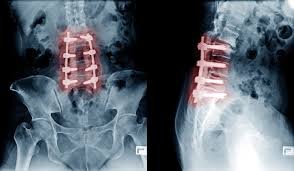
Spinal cord decompression in Hoshangabad – Kesarkar Hospital
If you are experiencing persistent back pain, numbness, or weakness, it might be more than just a simple muscle strain. In many cases, these symptoms are caused by compression of the spinal cord, which can lead to severe pain and mobility issues. Fortunately, with timely medical attention, these problems can be effectively managed. Moreover, advanced surgical procedures like spinal cord decompression can provide lasting relief and help patients regain normal movement.
Furthermore, when the pressure on the spinal cord is relieved, patients often experience a significant reduction in pain. As a result, their mobility improves, and they are able to return to their daily routines with greater ease. Additionally, early diagnosis and treatment help prevent further nerve damage, ensuring a better long-term outcome.
For those seeking expert spinal treatment locally, Dr. Abhinav Kesarkar offers advanced spinal cord decompression in Hoshangabad using a patient-centric approach and modern techniques. In fact, his focus on precision and minimally invasive methods helps patients recover faster. Therefore, with the right intervention, individuals can reduce nerve damage, regain strength, and restore their overall quality of life.
Understanding Spinal Cord Compression
The spinal cord acts as the main communication line between the brain and the rest of the body. When it becomes compressed due to bone overgrowth, herniated discs, or other conditions, this vital communication is disrupted. As a result, patients often experience pain, weakness, or numbness in different parts of the body.
Moreover, spinal cord compression may develop gradually or occur suddenly, depending on the underlying cause. Therefore, recognizing the early signs and consulting a specialist for spinal cord decompression in Hoshangabad is essential. By addressing the issue promptly, patients can protect nerve function, improve mobility, and prevent long-term complications. Additionally, early intervention often leads to faster recovery and better treatment outcomes.
Common Causes of Spinal Cord Compression
Several conditions can contribute to spinal cord compression, and understanding them is essential for timely treatment. For example, one of the most common causes is a herniated or slipped disc. When the soft cushion between the vertebrae bulges outward, it can press against the spinal cord and interfere with normal nerve signals.
Moreover, spinal stenosis, which is an age-related narrowing of the spinal canal, may also lead to increased pressure on the cord. In addition, bone spurs (osteophytes)—an overgrowth of bone often caused by arthritis—can compress the surrounding nerves and worsen discomfort.
Furthermore, tumors that grow near or within the spinal canal can cause significant compression. Similarly, injuries or fractures may displace bone fragments, thereby leading to nerve irritation and severe pain. Additionally, degenerative changes that occur over time can make the spine more vulnerable to structural problems.
Because the spine supports most body movements, even a small amount of compression can have a major impact. As a result, patients may experience pain, stiffness, numbness, or mobility issues, which can affect their daily activities and overall quality of life.
Symptoms of Spinal Cord Compression
Symptoms may vary significantly depending on the severity and location of the compression. However, some of the most common warning signs include:
Persistent neck or back pain that gradually worsens over time.
In addition, numbness or tingling in the hands, arms, or legs.
Moreover, noticeable weakness in the limbs.
As a result, patients may have difficulty walking or maintaining balance.
Furthermore, a loss of fine motor skills can make daily activities more challenging.
In severe cases, bowel or bladder dysfunction may also occur.
Therefore, if these symptoms appear and persist, it is essential to consult a spinal cord decompression specialist in Hoshangabad without delay. Early diagnosis and timely treatment can significantly reduce the risk of permanent nerve damage and restore normal function, helping patients return to their daily lives more comfortably.
Diagnosis: How the Condition Is Identified
Accurate diagnosis is the foundation of effective treatment. Therefore, Dr. Abhinav Kesarkar uses a combination of detailed clinical evaluation and advanced imaging to precisely identify the location and extent of spinal cord compression. By integrating multiple diagnostic methods, he ensures that no underlying issue is overlooked.
The diagnostic process may involve the following steps:
First, a thorough neurological examination to assess strength, reflexes, and sensation.
Next, MRI scans are used to clearly visualize soft tissues and the spinal cord.
Additionally, CT scans help evaluate bone structure and spinal alignment with greater accuracy.
Finally, X-rays are taken to detect fractures, misalignments, or degenerative changes that may contribute to the problem.
Moreover, this step-by-step assessment provides a comprehensive understanding of the patient’s spine health. As a result, Dr. Kesarkar can design a personalized treatment plan that is tailored to each individual’s unique condition, ensuring both precision and effectiveness.
What Is Spinal Cord Decompression Surgery?
Spinal cord decompression surgery is a highly specialized procedure designed to relieve pressure on the spinal cord or surrounding nerves. Unlike traditional open surgeries, modern decompression techniques often involve minimally invasive methods. As a result, patients usually experience faster recovery, reduced pain, and shorter hospital stays.
Moreover, these advanced procedures aim not only to ease discomfort but also to restore normal movement and function. Therefore, patients can return to their daily activities with improved quality of life.
Common decompression techniques include:
Laminectomy: Removal of a portion of the vertebral bone (lamina) to create additional space for the spinal cord.
Discectomy: Elimination of a herniated disc that is pressing on the nerve.
Foraminotomy: Widening of the nerve passageways to decrease pressure and enhance nerve function.
Corpectomy: Removal of a vertebral body in more complex or severe cases.
In addition, these techniques are often combined with advanced imaging and precision tools, which further improve accuracy and safety. Furthermore, minimally invasive approaches typically lead to less blood loss and fewer complications, making them suitable for a wider range of patients.
Because each patient’s spinal condition is unique, Dr. Abhinav Kesarkar carefully evaluates medical history, imaging results, and symptoms before recommending the most appropriate treatment technique. This personalized approach ensures that every procedure is tailored to achieve the best possible outcome.
About Dr. Abhinav Kesarkar
Dr. Abhinav Kesarkar is a renowned orthopedic and spine specialist who offers advanced treatment for spinal conditions, including spinal cord decompression in Hoshangabad. He combines extensive medical expertise with genuine compassion, ensuring that patients receive world-class care without the need to travel to larger cities.
His areas of expertise include:
Minimally invasive spine surgery
Degenerative spine disorder management
Nerve decompression procedures
Post-operative rehabilitation and pain management
Moreover, Dr. Kesarkar places a strong emphasis on early diagnosis and tailored treatment plans to address each patient’s unique needs. Furthermore, his minimally invasive approach not only reduces recovery time but also minimizes complications. In addition, patients benefit from comprehensive rehabilitation programs that restore strength, stability, and confidence.
Therefore, many individuals who once struggled with chronic back pain have successfully returned to active, pain-free lives. As a result, Dr. Kesarkar has earned the trust of patients across the region for delivering both exceptional outcomes and personalized care.
Benefits of Spinal Cord Decompression Surgery
When performed by an experienced specialist like Dr. Kesarkar, spinal cord decompression can offer numerous benefits that significantly enhance a patient’s quality of life.
✅ Relief from chronic pain and nerve pressure, which, in turn, improves comfort and overall well-being.
✅ Improved mobility and stability, allowing patients to move with greater confidence.
✅ Restoration of strength and coordination, enabling them to regain physical independence.
✅ Prevention of further neurological damage, which helps protect long-term spinal health.
✅ Reduced reliance on long-term medications, thereby minimizing potential side effects.
✅ Faster return to daily activities and work, supporting a more active lifestyle.
Moreover, when minimally invasive techniques are used, patients often experience shorter hospital stays. As a result, they can return home sooner and focus on recovery in a familiar environment. Additionally, this approach generally leads to quicker rehabilitation and less post-operative discomfort, making the entire healing process smoother and more efficient.
Recovery and Rehabilitation After Surgery
Recovery plays a crucial role in ensuring long-term success. After spinal cord decompression surgery in Hoshangabad, Dr. Kesarkar and his team create personalized rehabilitation programs to help patients regain strength and flexibility.
Rehabilitation typically includes:
Gradual walking and movement training
Posture correction and spinal stabilization exercises
Physical therapy to improve balance and coordination
Pain management through medications and non-invasive methods
Regular follow-ups to monitor healing
With proper rehabilitation, most patients regain significant functionality and experience lasting relief from symptoms.
Lifestyle Modifications to Support Spinal Health
Although surgery can effectively relieve spinal compression, long-term spinal health ultimately depends on preventive care and healthy daily habits. Therefore, Dr. Kesarkar strongly advises his patients to follow a structured lifestyle routine:
First, maintain a healthy weight to reduce unnecessary pressure on the spine.
In addition, practice correct posture during sitting, standing, and lifting to prevent further strain.
Moreover, engage in regular low-impact exercises such as walking, swimming, or yoga to improve flexibility and strength.
Furthermore, strengthen core muscles to support spinal alignment and stability.
Also, avoid smoking and excessive alcohol consumption, since these habits can significantly impair the body’s natural healing process.
Finally, schedule periodic spine check-ups to detect any early signs of issues before they become serious.
As a result of these proactive steps, patients can greatly reduce the risk of recurrence of spinal cord compression. In turn, they can also enhance mobility, maintain better posture, and improve their overall quality of life.
Why Choose Dr. Abhinav Kesarkar for Spinal Cord Decompression in Hoshangabad
Selecting the right spine specialist is a crucial step toward achieving successful treatment. Therefore, patients often look for someone who combines expertise with compassion. That’s why many individuals trust Dr. Abhinav Kesarkar for spinal cord decompression in Hoshangabad.
✅ Expertise in minimally invasive spinal procedures, which helps reduce pain and recovery time.
✅ Advanced imaging and diagnostic tools, ensuring precise and effective treatment.
✅ Personalized treatment and rehabilitation plans, carefully designed to meet each patient’s unique needs.
✅ Strong focus on patient comfort and education, so individuals feel informed and supported at every stage.
✅ Transparent communication and compassionate care, which build trust and confidence.
✅ Local access to world-class spine care, eliminating the need for distant travel.
Moreover, Dr. Kesarkar believes in a patient-first approach, which ensures clarity and confidence throughout the treatment journey. In addition, his use of advanced medical technologies allows for faster healing and minimal discomfort. As a result, patients can return to their daily routines more quickly. Furthermore, his ongoing commitment to excellence guarantees that patients receive the best possible outcomes close to home.
Preventing Future Spinal Problems
Even after a successful surgery, protecting your spine from further damage is essential. Therefore, adopting a proactive approach to spinal care can help reduce the risk of future complications. For example, patients can lower their chances of spinal cord compression by:
Avoiding heavy lifting or sudden jerking movements, which can strain the spine.
Additionally, strengthening back and abdominal muscles to improve spinal support.
Moreover, using ergonomically designed furniture to maintain proper posture.
In addition, taking frequent breaks from prolonged sitting to ease spinal pressure.
Finally, listening to their body and seeking medical help early if any symptoms recur.
As a result, maintaining these habits consistently helps protect the spine, preserve surgical outcomes, and support long-term well-being. Furthermore, this proactive care ensures better mobility, reduced discomfort, and an overall improved quality of life.
Book your appointment with Dr. Kesarkar
Regain your pain-free life and active mobility today. Book your appointment with Dr. Kesarkar, Best Hip Replacement Doctor in Nagpur, for expert consultation and advanced treatment options.Contact Now