Dr. Abhinav Kesarkar | Orthopedic Surgeon In Nagpur


AVN treatment in Adilabad
AVN treatment in Adilabad
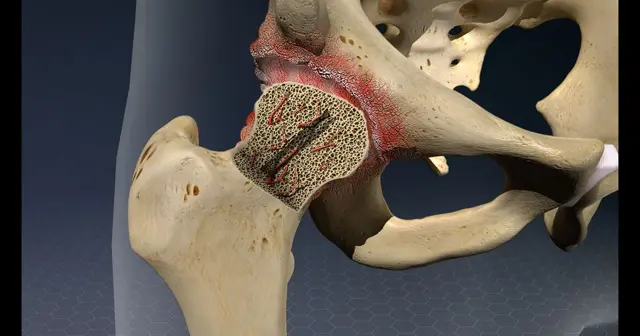
AVN Treatment in Adilabad – a condition caused by reduced blood flow that leads to bone tissue damage – requires expert medical care and timely intervention. Dr. Abhinav Kesarkar, one of the best orthopedic doctors in Adilabad, provides advanced AVN treatment using modern diagnostic techniques and minimally invasive surgical methods to restore mobility and relieve pain.Moreover, AVN treatment in Adilabad emphasizes hip joint preservation, pain relief, and improved mobility. Avascular necrosis (osteonecrosis) develops when bone tissue dies due to an insufficient blood supply. This condition can cause persistent pain, reduced joint function, and, in severe cases, bone collapse. Therefore, early diagnosis and appropriate treatment are crucial to prevent serious complications and maintain long-term bone health.In addition, this guide highlights several AVN treatment options, including non-surgical and surgical procedures, lifestyle modifications, and advanced therapies designed to promote recovery and enhance overall joint function.
Causes of AVN
AVN can occur due to multiple reasons, including:
Trauma or bone fractures, which may interrupt blood supply to the bone.
Long-term use of corticosteroids; moreover, prolonged medication use can weaken bone structure.
Excessive alcohol consumption, as it can interfere with healthy blood circulation.
Medical conditions such as sickle cell anemia and lupus, both of which can restrict oxygen flow to the bone.
Radiation therapy, which may damage bone tissue over time.
Blood clotting disorders that hinder proper circulation.
Idiopathic (unknown causes), where the exact reason remains unclear despite thorough evaluation.
Symptoms of AVN
Symptoms of AVN often develop gradually; moreover, they tend to worsen over time if left untreated. Common symptoms include:
Pain in the affected joint, most often in the hip, knee, shoulder, or ankle.
Stiffness and reduced range of motion, making daily movements increasingly difficult.
Difficulty in bearing weight, especially during walking or standing for long periods.
Joint instability or collapse in severe cases, which can significantly affect mobility and balance.
Non-Surgical AVN Treatment
For early-stage AVN, non-surgical treatments can effectively manage symptoms and slow the progression of the disease. Moreover, these approaches focus on preserving bone health and improving joint function.
1. Medications
Bisphosphonates: These drugs help slow bone degradation and may preserve healthy bone tissue.
Non-Steroidal Anti-Inflammatory Drugs (NSAIDs): Medications such as ibuprofen and naproxen relieve pain and reduce inflammation, thereby improving comfort and mobility.
Anticoagulants: In addition, these medications enhance blood flow and reduce the risk of clot formation.
Statins: Furthermore, statins may help prevent fat deposits from blocking blood circulation to the bones.
2. Physical Therapy and Lifestyle Modifications
In conjunction with medications, physical therapy and lifestyle changes play a vital role in managing AVN:
Engaging in low-impact exercises helps maintain joint flexibility and strength.
Weight management reduces pressure on affected joints, promoting easier movement.
Using assistive devices such as crutches can help limit joint stress and prevent further damage.
Avoiding alcohol and corticosteroids, especially if they are contributing factors, supports better joint health.
3. Hyperbaric Oxygen Therapy (HBOT)
Additionally, HBOT increases oxygen supply to the affected bone, which promotes healing, stimulates new bone growth, and slows disease progression.
Minimally Invasive AVN Treatment Options
1. Core Decompression
- A surgical procedure where a small portion of bone is removed to relieve pressure and stimulate blood flow.
- Often combined with bone grafting or stem cell therapy to enhance healing.
2. Stem Cell Therapy and Regenerative Medicine
- Uses mesenchymal stem cells (MSCs) to promote bone regeneration.
- Can be injected into the affected bone after core decompression.
3. Platelet-Rich Plasma (PRP) Therapy
- Injecting PRP, rich in growth factors, may aid in bone healing and reduce inflammation.
Surgical AVN Treatment Options
For advanced stages of AVN where bone collapse has occurred, surgical intervention is necessary.
- Bone Grafting : A bone graft is taken from another part of the body and placed in the affected area to restore structure and blood supply.
- Osteotomy : The bone is reshaped to redistribute weight and reduce stress on the damaged area.
- Total Joint Replacement (Arthroplasty) : When the joint is severely damaged, a hip or knee replacement may be performed to restore function and relieve pain.
Preventing AVN
- Maintain a healthy lifestyle with a balanced diet or regular exercise.
- Avoid excessive alcohol and corticosteroid use.
- Monitor bone health if you have risk factors like sickle cell anemia or lupus. Contact Now
Conclusion
Avascular necrosis is a serious condition that requires early diagnosis and appropriate treatment. From medications and lifestyle changes to advanced surgical interventions, various AVN treatment options are available depending on the disease stage. Consulting a medical professional ensures a personalized approach to managing and treating AVN effectively. Visit Our Hospital.
Book Your Appointment Today
Regain your pain-free life and active mobility today. Book your appointment with Dr. Kesarkar,
Best Othopedic Doctor in Adilabad for expert consultation and advanced treatment options.Contact Now